AGIBOT Concludes Six-Day Real Factory Livestream, Signaling Shift from Humanoid Robot Demonstrations to Deployment-Led Validation

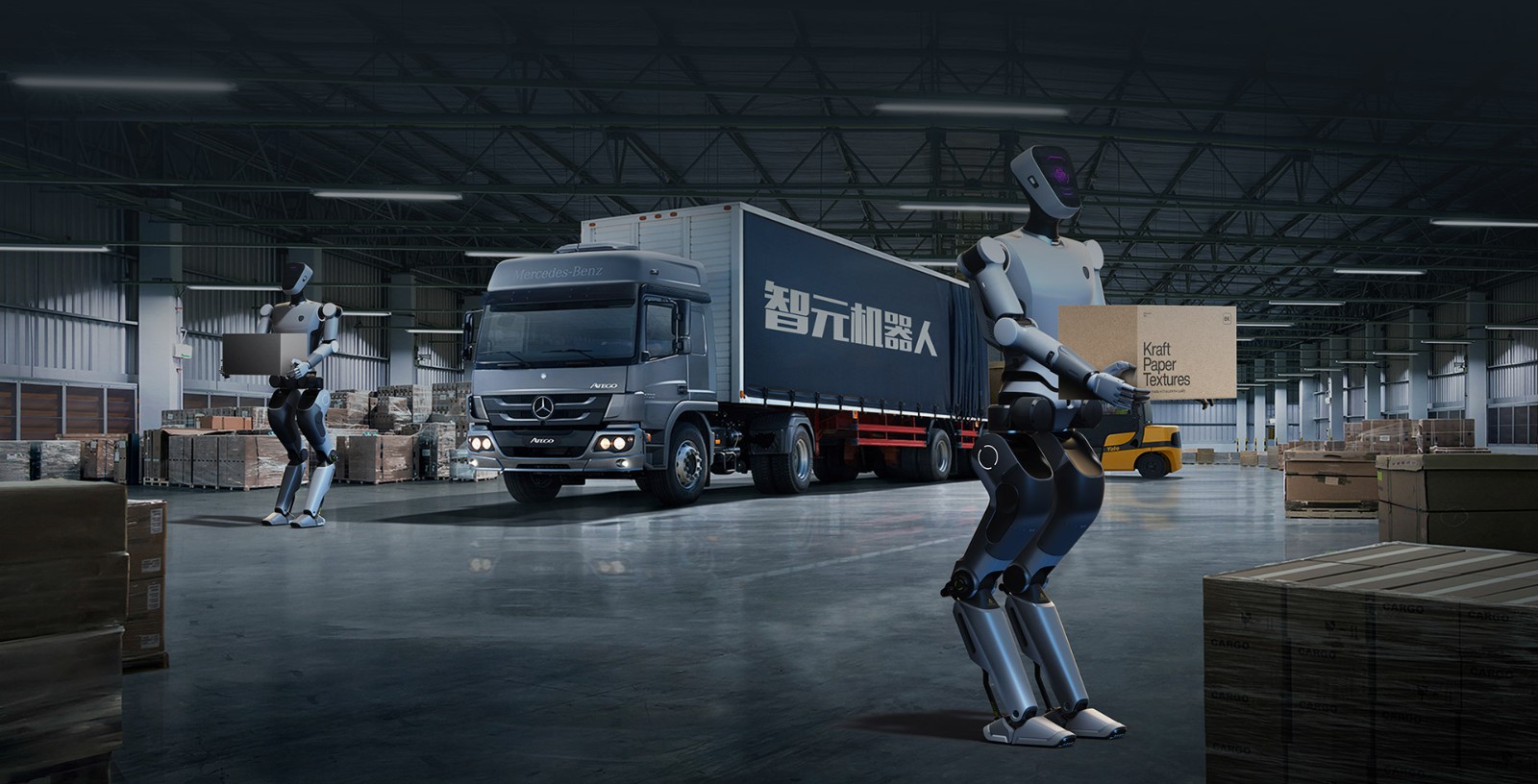
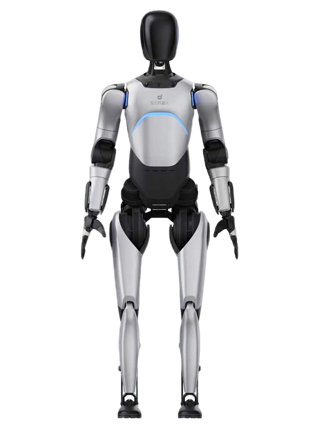
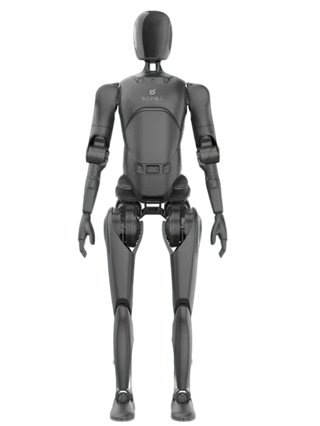
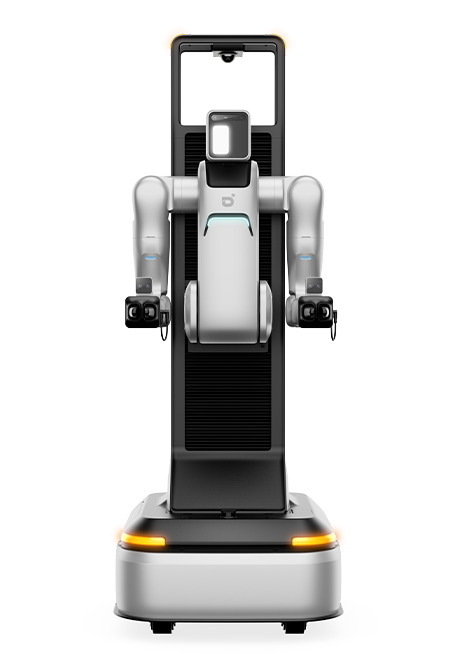
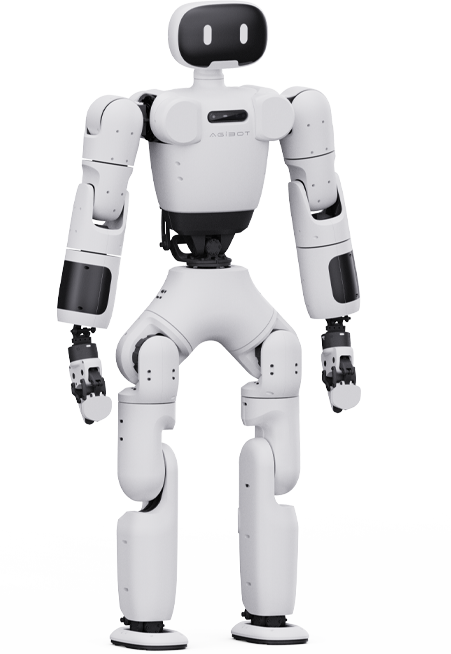
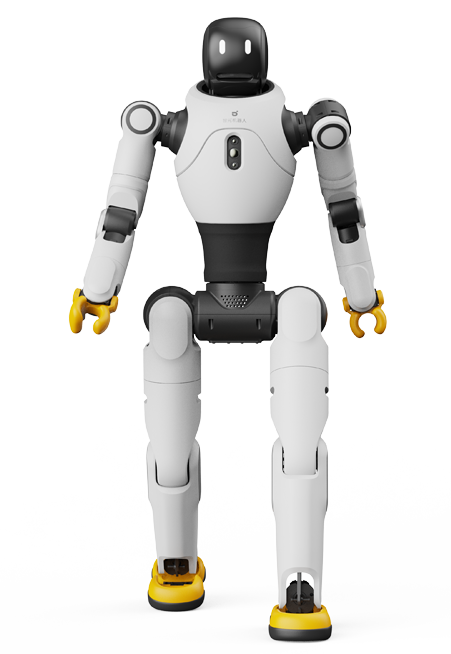
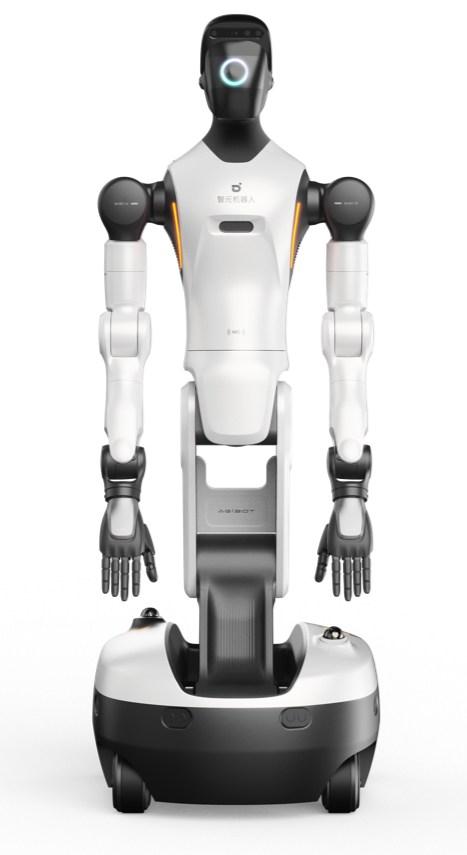
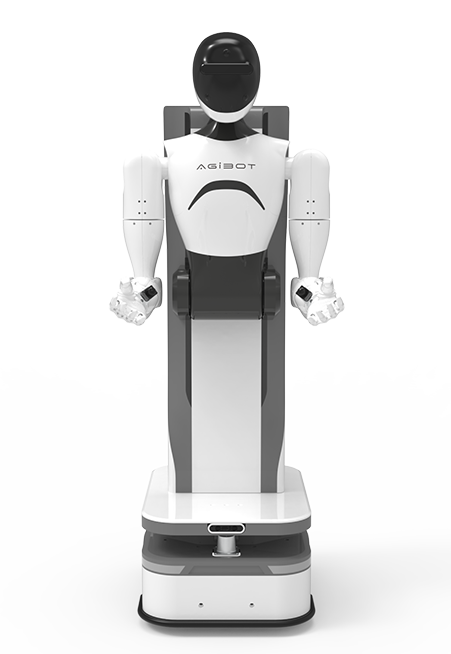
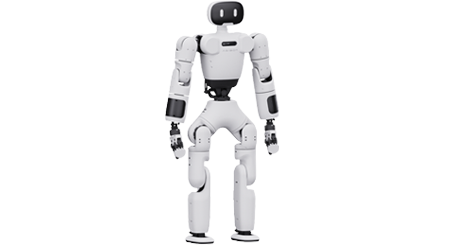
NANCHANG, China, June 29, 2026AGIBOT, a global leader in embodied AI and robotics, today announced the completion of its six-day global livestream from a real factory production line at Longcheer Technology’s Nanchang factory. Over six consecutive days, multiple AGIBOT humanoid robots operated inside a tablet mass-production quality-inspection section, performing real production tasks under actual factory conditions.

During the livestream, AGIBOT robots completed more than 64 hours of operation, performed 64828 production-line tasks, participated in more than 4 production workflows, achieved a task success rate of 99.99%, and contributed to cumulative line output of 17625. Unlike a laboratory demonstration or a controlled single-robot showcase, the livestream took place on a live production line with real manufacturing rhythms, moving materials, human operators, surrounding equipment, and changing task conditions.

The six-day livestream was therefore more than a product demonstration. It served as an open, real-world validation of whether humanoid robots can move beyond staged capabilities and create value within an active industrial environment.

“The key question for humanoid robotics is no longer only what a robot can demonstrate, but whether it can be deployed, integrated, and create value in real operating environments,” said Dr. Yao Maoqing, Partner, Senior Vice President, President of Embodied AI Business Unit at AGIBOT. “By bringing multiple humanoid robots into a real production line and making the process visible over six consecutive days, we wanted to provide a more transparent answer to what embodied AI industrialization actually requires.”

In recent years, the humanoid robotics industry has shown rapid progress in individual capabilities, including walking, grasping, carrying objects, interacting with people, and completing short-duration tasks. But as embodied AI enters a new stage of industrial adoption, the core question is changing. The industry is moving from asking what humanoid robots can do, to asking where they can be deployed and what value they can create.

A real factory is not a stage. Production lines do not pause for robots. Material positions may shift, people and equipment remain in motion, and each process must connect smoothly with the next. Any delay or error can affect overall efficiency. This makes real production environments one of the most important testbeds for embodied AI industrialization.

By placing humanoid robots directly into Longcheer Technology’s live production system and broadcasting their work over six consecutive days, AGIBOT aimed to answer a question that is increasingly central to the industry: can robots operate reliably and continuously in long-duration, dynamic, and not fully scripted industrial environments?

The livestream also highlighted a broader shift in how humanoid robots should be evaluated. Once robots enter factories, the most important metrics are no longer limited to robot specifications or isolated actions. Industrial customers care about whether robots can match production rhythms, reduce deployment complexity, adapt to different workstations, operate stably over time, and deliver a sustainable return on investment.

This marks a shift from robot-level performance to production-line-level value.

For embodied AI, industrialization is not the result of a single algorithmic or hardware breakthrough. It is a systems challenge that requires robotic embodiment, perception, decision-making, task scheduling, workflow integration, manufacturing readiness, on-site deployment, and operational support to mature together. A real factory deployment tests all of these capabilities at once.

The livestream further demonstrated that the value of humanoid robots does not lie simply in replacing people or completing isolated tasks. In real industrial settings, robots need to become part of a broader workflow. They must receive tasks from upstream processes, complete their own operations, coordinate with equipment and human workers, and hand results over to downstream processes. Only then can they become part of a production system rather than a standalone machine.

Multi-robot collaboration is another key step in this transition. A single robot completing a task proves individual capability; multiple robots working within the same production environment test system-level productivity. For scaled deployment, the future competition will not only be about single-machine performance, but also about fleet coordination, scheduling, route management, task allocation, and overall solution integration.

This is also where humanoid robots may create differentiated value compared with traditional automation. Traditional automation remains highly effective in fixed, high-speed, and highly standardized processes. Embodied AI robots are better suited to scenarios where tasks change more frequently, environments are less fully structured, and perception, judgment, and flexible operation are required. Their value lies not in simply replacing existing automation, but in extending automation into more flexible and complex production scenarios.

For AGIBOT, the six-day livestream represents a step toward what the company describes as deployment-state embodied AI: intelligent robots being tested not only by technical parameters, but by their ability to operate in real environments, integrate into real workflows, and create measurable commercial value.

As humanoid robots move from laboratories into factories, from single-machine demonstrations to multi-robot collaboration, and from technical validation to commercial deployment, the industry is entering a new phase. The next stage of competition will not be defined solely by specifications, movements, or isolated capabilities, but by deployment capability, system integration, operational stability, repeatability, and commercial scalability.

The six-day livestream at Longcheer Technology’s Nanchang factory is not the end of this process, but a new starting point. It shows that embodied AI is beginning to be tested in a more transparent way, closer to the conditions that industrial customers actually care about. It also signals that the general-purpose robot ecosystem is moving from vision toward real-world implementation.

For more information, please visit AGIBOT.com, and follow AGIBOT on:
X: https://x.com/AGIBOTofficial
LinkedIn: https://www.linkedin.com/company/agibot/
YouTube: https://www.youtube.com/@AGIBOTofficial
Instagram: https://www.instagram.com/agibotofficial/
TikTok: https://www.tiktok.com/@agibot_
Facebook: https://www.facebook.com/AGIBOTofficial/


About AGIBOT
AGIBOT is an Embodied AI foundation model company developing both the intelligence layer and the corresponding robotic embodiments needed to bring general intelligence into the physical world. AGIBOT’s “Three Intelligences in One” architecture integrates Locomotion Intelligence, Interaction Intelligence, and Manipulation Intelligence into a unified embodied system. Its portfolio spans humanoid robots, quadrupeds, dexterous systems, and commercial cleaning solutions. In June 2026, AGIBOT announced that its 15,000th robot had rolled off the production line.